Rush Green to Romford Station furniture removals tips
If you are planning a move from Rush Green to Romford Station, the small details matter more than people expect. Furniture removals can look simple on paper: pack, load, drive, unload. Then the real world turns up with narrow hallways, awkward wardrobes, rain on a busy morning, and a sofa that suddenly seems larger than the doorway. These Rush Green to Romford Station furniture removals tips are designed to make that whole process calmer, safer, and a lot more efficient.
Whether you are moving a few bulky items, clearing a flat, or handling a full home relocation, a little planning saves a lot of energy. You will also make better decisions about vehicle size, packing materials, and whether you need help from furniture removals, man with van support, or broader removal services. Let's get into the practical stuff.
Expert summary: The best local furniture move is not the one with the most equipment. It is the one with the clearest plan, the least wasted lifting, and the fewest surprises on the day.
Table of Contents
- Why these removals tips matter
- How the move typically works
- Key benefits and practical advantages
- Who this is for and when it makes sense
- Step-by-step guidance
- Expert tips for better results
- Common mistakes to avoid
- Tools, resources and recommendations
- Law, compliance, standards and best practice
- Options, methods and comparison table
- Case study or real-world example
- Practical checklist
- Conclusion
- Frequently asked questions
Why Rush Green to Romford Station furniture removals tips Matters
This route may not be a cross-country epic, but local moves often create their own headaches. Rush Green and Romford Station are close enough that people sometimes assume the move will be quick and easy. In practice, short-distance furniture removals can be harder to manage because there is less room for error. One badly measured wardrobe, one unplanned parking issue, or one missing blanket can slow everything down.
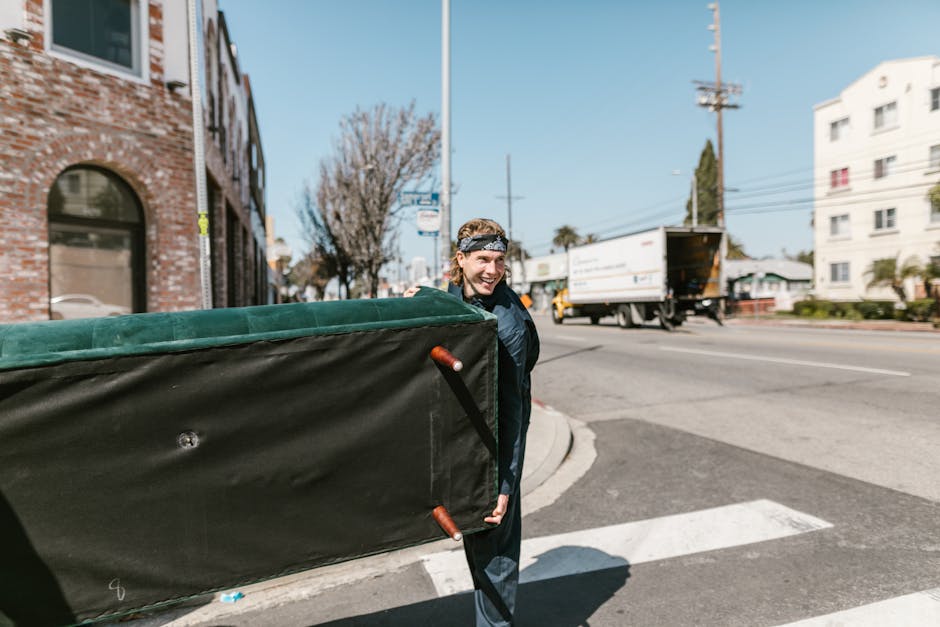
Furniture is also where most move-day stress tends to concentrate. Boxes can be stacked neatly. A dining table cannot politely fold itself into a corner. Sofas, beds, desks, and cabinets need handling with care, and they are exactly the items most likely to pick up scuffs or cause strain if you rush. To be fair, most people only notice this once they are halfway through the job.
Good tips matter because they reduce risk in three ways. First, they protect your furniture. Second, they protect your home, stairs, walls, and doorframes. Third, they protect your own back and schedule. That is a decent trio, really. If you want a move that feels controlled rather than chaotic, the planning starts before the van arrives.
How Rush Green to Romford Station furniture removals tips Works
The basic structure of a furniture move is straightforward, but the details determine how smoothly it runs. Start by listing what is going, what is staying, and what needs to be dismantled. Then match that list against the access at both addresses. Door width, stair turns, lift size, parking position, and whether any item needs two people instead of one all matter more than people think.
For a small load, a well-organised removal van may be enough. For a larger household, you may need a bigger vehicle or help from moving truck support. If you are only moving a handful of bulky items, a flexible service such as man and van can be a practical middle ground.
The move itself usually follows a simple flow: prepare, protect, load, transport, unload, and reassemble. The trick is to remove friction at each stage. A sofa wrapped before loading moves more cleanly than one dragged out at the last minute. A bed frame already dismantled saves everyone from staring at a loose bolt at the kerb. A clear plan, boring as it sounds, is your best friend here.
Key Benefits and Practical Advantages
There is a reason experienced movers spend so much time on preparation. The upfront effort pays off in ways you feel immediately on the day and later in the week.
- Less damage: Proper wrapping, corner protection, and careful handling reduce scratches, dents, and torn upholstery.
- Less stress: When items are labelled and the route is planned, the move feels manageable.
- Faster loading: A sorted order means the van is packed more efficiently, which often saves time.
- Safer lifting: Fewer awkward surprises means less strain on backs, wrists, and knees.
- Better cost control: Efficient moves waste less time and reduce the chance of needing extra journeys.
- Cleaner arrival: Furniture arrives ready to place, not wrapped in improvised blankets and hope.
If your move includes a mix of furniture and boxes, pairing furniture planning with packing and boxes can help you keep the whole job organised. It sounds obvious, but it is often the difference between a calm unloading process and a living room full of mystery cartons.
Who This Is For and When It Makes Sense
These tips are useful for anyone moving furniture between Rush Green and Romford Station, but they are especially relevant if you fall into one of these groups:
- tenants moving between flats or shared homes
- homeowners relocating a few large household items
- people collecting second-hand furniture and bringing it home
- students moving into or out of accommodation
- small businesses shifting desks, shelves, or office furniture
- families trying to complete a move in one day
The advice also makes sense if you are only moving one or two awkward items. A bed, a sofa, a bookcase, or a dining set can create more logistical trouble than a room full of boxes. In those cases, a focused service such as furniture pick up or furniture removals may fit better than a larger move package.
If you are relocating from a flat with stairs or tight access, it may also be worth considering flat removals. If it is a bigger household transition, home moves or house removals may give you the broader support you need.
Step-by-Step Guidance
Here is a practical way to handle the move without overcomplicating it.
- Make an item list. Write down every piece of furniture, from the obvious sofa to the annoying little bedside cabinet that always gets forgotten.
- Measure the key spaces. Check the widest part of each item and compare it with doorways, stair landings, lift openings, and hallway turns.
- Decide what dismantles. Beds, some tables, shelving, and larger wardrobes often move more safely when taken apart.
- Protect the surfaces. Use blankets, stretch wrap, and corner protection where needed.
- Clear the path. Remove rugs, loose shoes, plant pots, and anything else waiting to trip someone up.
- Group items by load order. Put heavier items and awkward shapes near the front of your plan so loading is logical, not random.
- Label screws and parts. Small zip bags and sticky notes save a lot of frustration later.
- Confirm vehicle access. Check where the van can stop, whether parking is possible, and how far the carry is from the property.
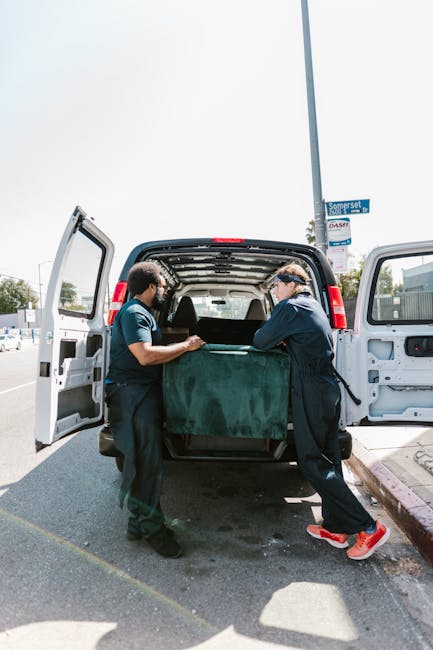
- Load with weight in mind. Heavy pieces go low and secure. Fragile or polished items should not sit where they can slide around.
- Unload in room order. Put each piece where it belongs first, then worry about perfect placement later.
If the move feels too big for one person or one vehicle, it is often smarter to choose a service that matches the job rather than pushing through and hoping for the best. That is usually where removals support or removal services becomes the practical answer.
Expert Tips for Better Results
Experience teaches you a few things the hard way. These are the tips that tend to save the most time and trouble.
1. Wrap before you move, not after you start lifting
Once furniture is at the door, people get impatient. That is when scratches happen. Wrap first, then lift. A few extra minutes can spare an expensive repair later.
2. Use blankets for anything with edges or a polished finish
Tables, wardrobes, and glass-front units need more than a quick stretch wrap. Blankets cushion pressure points and stop hard edges knocking against walls or van interiors.
3. Do not underestimate weight distribution
One heavy sideboard can shift the balance of the whole van if it is placed badly. Put the heavy pieces in first, secure them, then build around them with lighter items.
4. Keep tools within reach
Allen keys, screwdrivers, tape, a marker pen, and a small box for fixings should stay with you, not vanish into the back of the van. Nothing slows a move down faster than searching for one tiny screw under pressure.
5. Check for hidden weakness
Cheap flat-pack furniture can wobble once it is moved. If an item already feels loose at home, treat it gently. Moving tends to expose weak joints very quickly.
6. Leave a little breathing space in the schedule
Traffic, parking, and access delays happen. If you give yourself a narrow margin, one small issue can throw off the rest of the day. A bit of slack in the timetable helps keep everyone calmer. Truth be told, it helps keep the tea hot too.
If you are comparing ways to move, it can also be helpful to look at the support level you want. Some people only need a vehicle and a pair of hands. Others want the reassurance of professional packing support from packing and unpacking services, especially if they are short on time or energy.
Common Mistakes to Avoid
The same mistakes come up again and again, and most are avoidable with a little planning.
- Not measuring furniture properly: A sofa that fits the room may still fail at the hallway corner.
- Forgetting access at the destination: The arrival point matters just as much as the departure point.
- Loading in the wrong order: If the first item in the van blocks the last item out, unloading becomes a puzzle no one asked for.
- Skipping protective wrapping: A short journey can still create damage if items slide against each other.
- Mixing fixings from different items: One bag of screws for everything is a recipe for future annoyance.
- Assuming help is optional: Some items are fine with one person. Others are not. Pride is not a moving tool.
- Leaving packing until the last minute: A rushed morning leads to forgotten parts, damaged corners, and unnecessary stress.
A common one is people thinking, "It's only down the road." That phrase has fooled many a mover. A five-mile route can still involve awkward parking, steep stairs, and tight timing.
Tools, Resources and Recommendations
You do not need a warehouse full of equipment, but a few simple tools make the job far smoother.
- strong packing tape and tape dispenser
- marker pens for clear labels
- stretch wrap for drawers, doors, and loose parts
- moving blankets or thick quilted covers
- furniture sliders for heavy items on suitable floors
- basic hand tools for dismantling and reassembly
- zip bags or labelled envelopes for screws and brackets
- protective gloves for grip and hand safety
For larger or more delicate moves, it can be worth using services that already have the right handling approach built in. For example, removal van hire may suit smaller jobs, while removal truck hire is more appropriate for bigger loads. If the move includes specific heavy items, such as a piano or similar fragile instrument, a specialised service like piano removals is the safer route.
It can also help to think ahead about temporary holding space. If the new place is not quite ready, storage can prevent furniture from being crammed into the wrong room or left exposed overnight.
Law, Compliance, Standards and Best Practice
Furniture removals are mostly about practical care, but there are still a few standards and responsibilities worth keeping in mind. In the UK, anyone carrying out lifting or loading should think about safe handling practices, not just speed. Heavy or awkward furniture should be moved in a way that reduces the risk of injury, and that means planning the lift, using the right number of people, and avoiding rushed movements.
Transport operators should also maintain suitable insurance and sensible safety procedures. If you are booking a mover, it is fair to ask how goods are handled and what protection is in place. A trustworthy provider should be able to talk plainly about insurance and safety and explain how they reduce the chance of damage or loss.
Best practice is not about over-formality. It is about showing care. That includes using the right vehicle, securing items properly, and being honest about what can safely be moved in one trip. If something is borderline too large, say so early. No one benefits from a heroic guess on moving day.
You may also want to review practical policies such as health and safety policy, terms and conditions, and payment and security details before confirming a booking. For environmentally responsible disposal or unwanted items, recycling and sustainability guidance can also be useful.
Options, Methods, or Comparison Table
Different moving methods suit different jobs. The best choice depends on how much furniture you have, how far you are going, and how much hands-on help you want.
| Option | Best for | Pros | Watch out for |
|---|---|---|---|
| DIY move with a hired vehicle | Small loads, confident packers | More control, flexible timing | Heavy lifting, access issues, time pressure |
| man and van | Few bulky items, local moves | Simple, efficient, cost-effective | Limited space if the load grows |
| furniture removals | Bulky or awkward furniture | Focused handling, better protection | May need pre-planning and access checks |
| home moves | Full household relocation | Broader support, less juggling | More planning needed overall |
| removals | Mixed loads and larger jobs | Flexible for different property sizes | Choosing the right scope matters |
If you are moving a business setup instead of household pieces, commercial moves or office removals may be more appropriate. Small offices often underestimate how much time desks, chairs, and filing units take. They are not just "a few bits of furniture". They can be awkward, heavy, and very annoying to carry up stairs.
Case Study or Real-World Example
Here is a realistic example. A couple moving from Rush Green to a property near Romford Station had a sofa, a king-size bed, two wardrobes, a dining table, and several boxed items. At first, they thought a single run would do it. After a quick access check, they realised the wardrobe would need dismantling and the bed frame would be easier to separate before loading.
They sorted the fixings into labelled bags, wrapped the table legs, and put blankets over the sofa corners. The van was loaded with the bed components and wardrobes first, then the softer items built around them. At the destination, the stairs were narrow and a tight turn at the landing would have caused trouble if the wardrobe had stayed assembled. Because they prepared early, the move stayed tidy and took far less effort than expected.
What made the difference? Not brute force. Planning. The sort that feels a bit dull at first, then feels very clever at 2 p.m. when everything is where it should be.
Practical Checklist
Use this checklist the day before and again on the morning of the move.
- Measure all large furniture pieces
- Check doorways, stairs, lifts, and hall turns
- Decide which items need dismantling
- Label screws, bolts, and fittings
- Prepare blankets, wrap, tape, and tools
- Clear paths inside both properties
- Confirm parking and access for the vehicle
- Separate fragile items from heavy furniture
- Decide load order before lifting begins
- Keep water, keys, and essentials close by
- Arrange storage if the new place is not ready
- Double-check the destination room layout
Quick reminder: If the move includes fragile, heavy, or unusually shaped furniture, do not leave the plan to the last minute. That is where most of the avoidable stress lives.
Get a free quote today and see how much you can save.
Conclusion
Rush Green to Romford Station furniture removals tips are really about making sensible choices early. Measure properly, pack carefully, use the right vehicle, and do not be shy about asking for help when an item is too heavy or too awkward for comfort. Most difficult moves do not fail because of one giant problem. They get messy because of a dozen small ones that were never checked.
If you keep the process simple and practical, your move becomes much more manageable. You protect your furniture, reduce physical strain, and give yourself a far better chance of finishing the day without that frazzled, "never again" feeling. And honestly, that is what most people want. A move that works. Calmly, safely, and with as little drama as possible.
Frequently Asked Questions
How do I move furniture from Rush Green to Romford Station without damaging it?
Wrap each item before lifting, dismantle large pieces where possible, and make sure the van is loaded with heavier items secured low and stable. Protection matters more than speed.
What is the best vehicle for a small furniture move?
For a small local load, a removal van or a man with van setup is often enough. The right choice depends on item size and access, not just distance.
Should I dismantle my bed or wardrobe before moving?
Usually, yes if it can be done safely. Dismantling often makes loading easier and reduces the risk of damage in tight hallways or stairwells.
How far in advance should I book furniture removals?
As soon as you know your moving date, especially if you are moving at the weekend or near the end of the month. Local jobs can still fill up quickly.
Can one person move a sofa safely?
Sometimes, but not always. The shape, weight, and access route matter. If it is bulky or awkward, get help. A sofa is no place for overconfidence.
What should I do if my furniture will not fit through the door?
Stop and reassess. Dismantle the item if possible, measure the route again, and consider whether a different angle or a different carrying method is needed. Do not force it.
Is it worth using professional help for just a few pieces?
Yes, especially if the items are heavy, valuable, or awkward. A focused service such as furniture pick up can be more efficient than trying to do everything yourself.
How do I protect floors and walls during a move?
Use blankets, cardboard, or other suitable protection in high-contact areas. Clear the walkway first, and keep corners covered where furniture is likely to brush past.
What if I need temporary storage during the move?
That is fairly common. Storage can help if move-in and move-out dates do not line up neatly or if a room is not ready yet.
Are there special rules for moving furniture in the UK?
There are no unusual furniture-specific rules for most everyday moves, but safe lifting, secure transport, and suitable insurance are important. Good practice is to treat the job carefully and avoid unsafe manual handling.
What if I only need help on the day of the move?
That is common too. Many people just need transport and loading support rather than a full service. A flexible removal services option can suit that kind of job well.
How can I keep the move calm when everything feels rushed?
Slow the process down at the start. Make the list, protect the furniture, and decide the load order before anything leaves the property. A calm first hour usually makes the whole day easier.